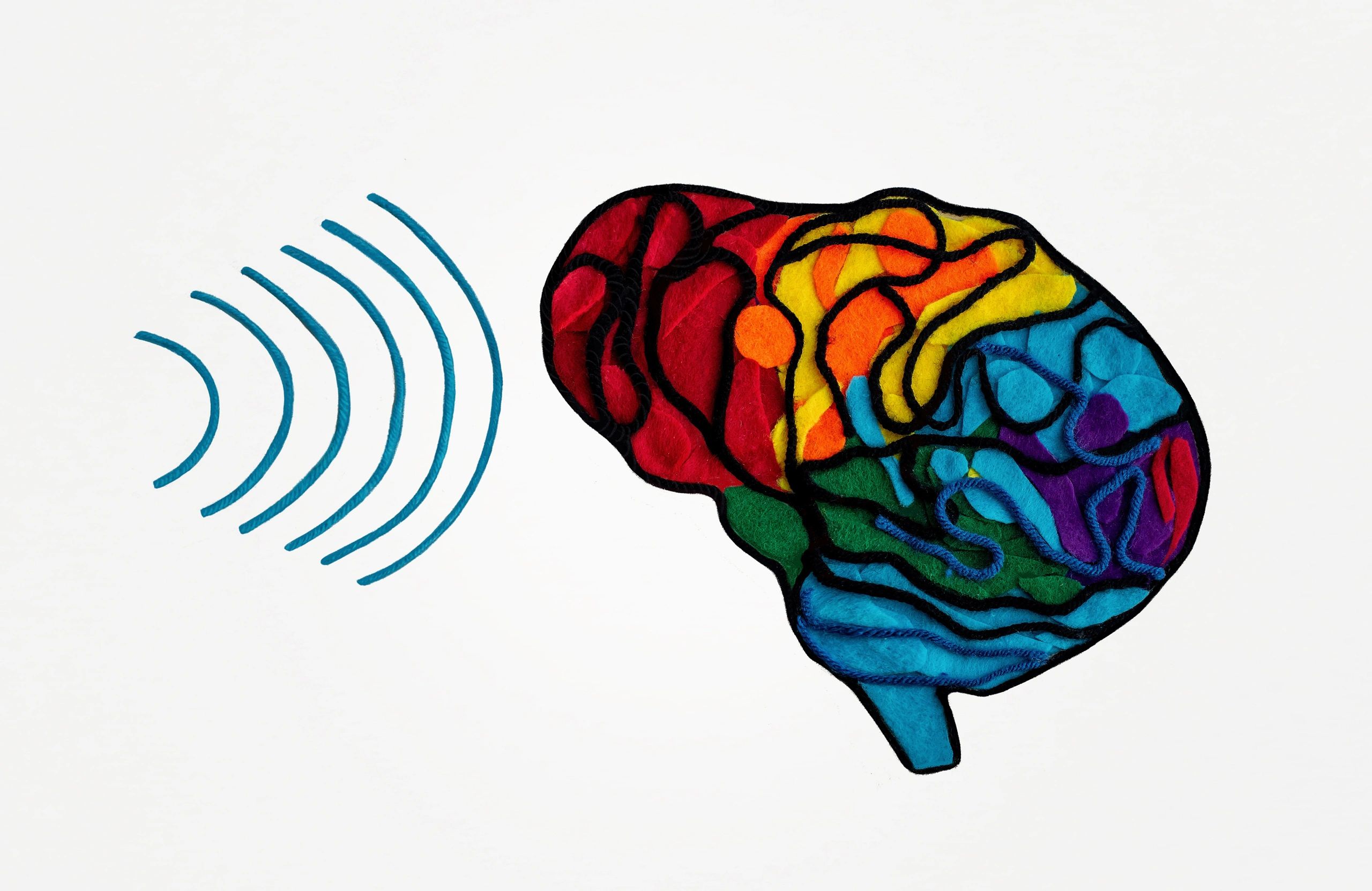
Topics
Memory & Learning
Explore how attention, practice, sleep, emotion, and repetition shape the way we remember information and build lasting understanding.
Key ideas
How learning sticks
Memory is not a single skill. It is a set of brain processes that help us encode, store, and retrieve information across different situations.
Attention matters
Focused attention helps the brain select what is worth encoding. Distraction reduces how much information reaches long-term memory.
Practice strengthens recall
Active retrieval, spaced repetition, and varied practice help reinforce neural pathways and improve long-term retention.
Sleep supports memory
Sleep helps consolidate new learning. Rest gives the brain time to organize and stabilize recently formed memories.
Meaning improves learning
We remember information better when it connects to prior knowledge, emotion, or real-world relevance.
In focus
Three learning themes
These areas help explain why some strategies improve understanding more effectively than others.
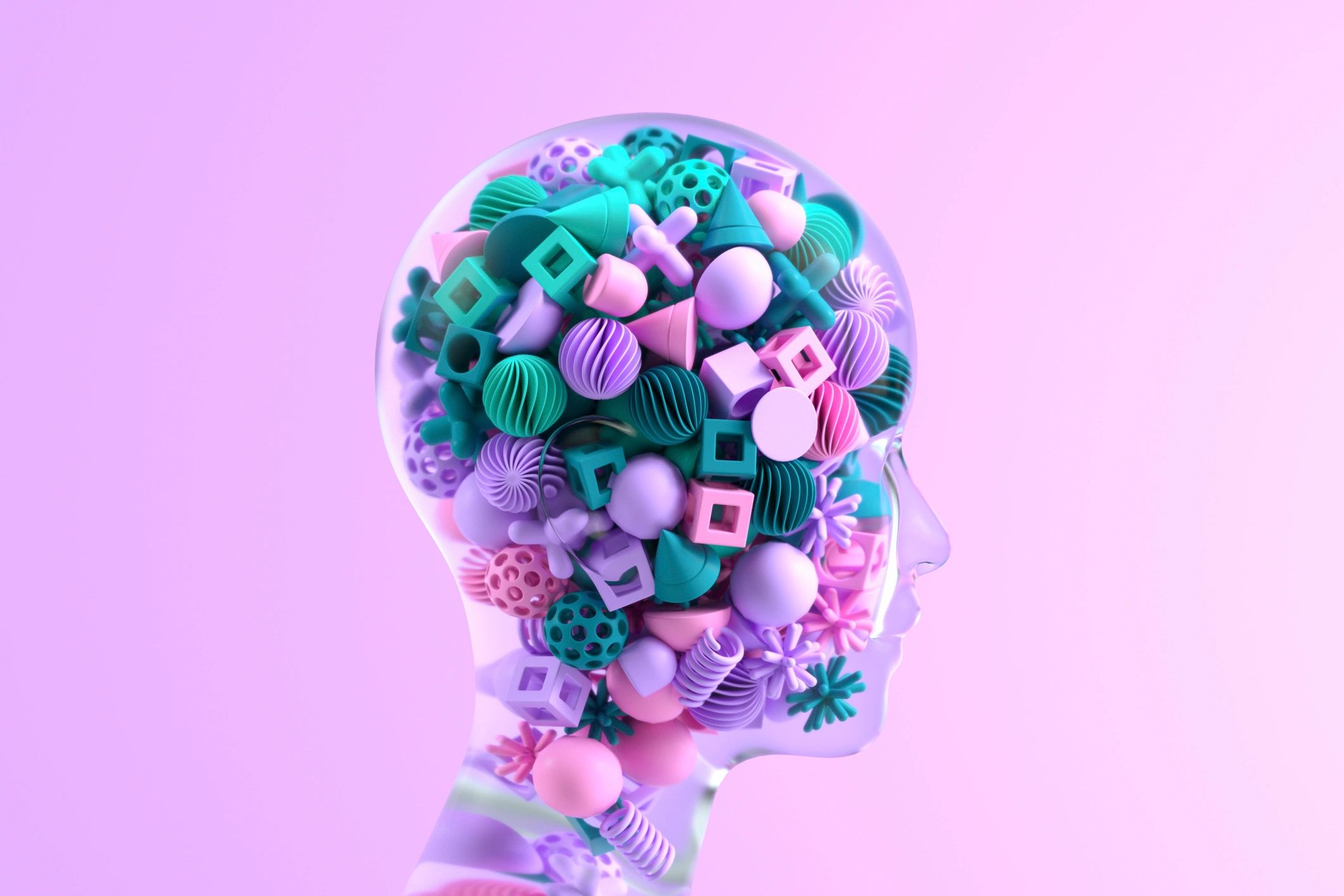
Working memory
Working memory helps us hold and manipulate information for short periods while solving problems, reading, or following instructions.

Learning across childhood
Children develop memory and learning skills gradually, with growth shaped by language, attention, routine, and supportive environments.
Study habits that help
Short review sessions, self-testing, clear examples, and breaks often support better learning than cramming.
Memory & learning FAQ
Quick answers to common questions about how people learn and remember.
What is the difference between memory and learning?
Learning is the process of gaining knowledge or skills. Memory is the ability to store and retrieve what has been learned.
Why do we forget information?
Forgetting can happen when information was not encoded clearly, was not reviewed, or is difficult to retrieve in the moment.
Does multitasking hurt learning?
Often, yes. Switching attention between tasks can reduce focus and make it harder for the brain to build strong memories.
How does sleep affect studying?
Sleep supports memory consolidation, which helps the brain strengthen and organize new information after learning.
Are some study methods better than rereading?
Yes. Self-testing, spaced repetition, and explaining ideas in your own words are often more effective than passive review alone.
Why is prior knowledge important?
New ideas are easier to remember when they connect to concepts you already understand, giving the brain a stronger framework.